


Turning Ideas Into Manufacturable Products
If you have a product idea, a prototype that needs refinement, or a part that isn’t ready for production, I help define requirements, improve the design, validate performance, and move it toward something real and manufacturable. Additive manufacturing is used strategically where it creates clear advantage — not as a default, but as a tool.
Common Challenges
Moving from concept to prototype to production
Turning a product idea into a manufacturable solution
Determining the right additive technology and material
Building a clear business case for additive manufacturing
Applying DfAM principles to improve performance and manufacturability
Converting legacy parts or scan data into additive-ready production models
Developing tooling, fixtures, or workflow optimizations using additive
If any of these challenges sound familiar, that’s typically where I step in — bringing structure, clarity, and a practical path forward.
Real Projects & Engineering Applications
Lakeland Design Works is led by a mechanical engineer with nearly a decade of experience developing additive manufacturing workflows and functional components for demanding engineering applications. Projects span mechanical systems, composite tooling, and production-ready additive parts.
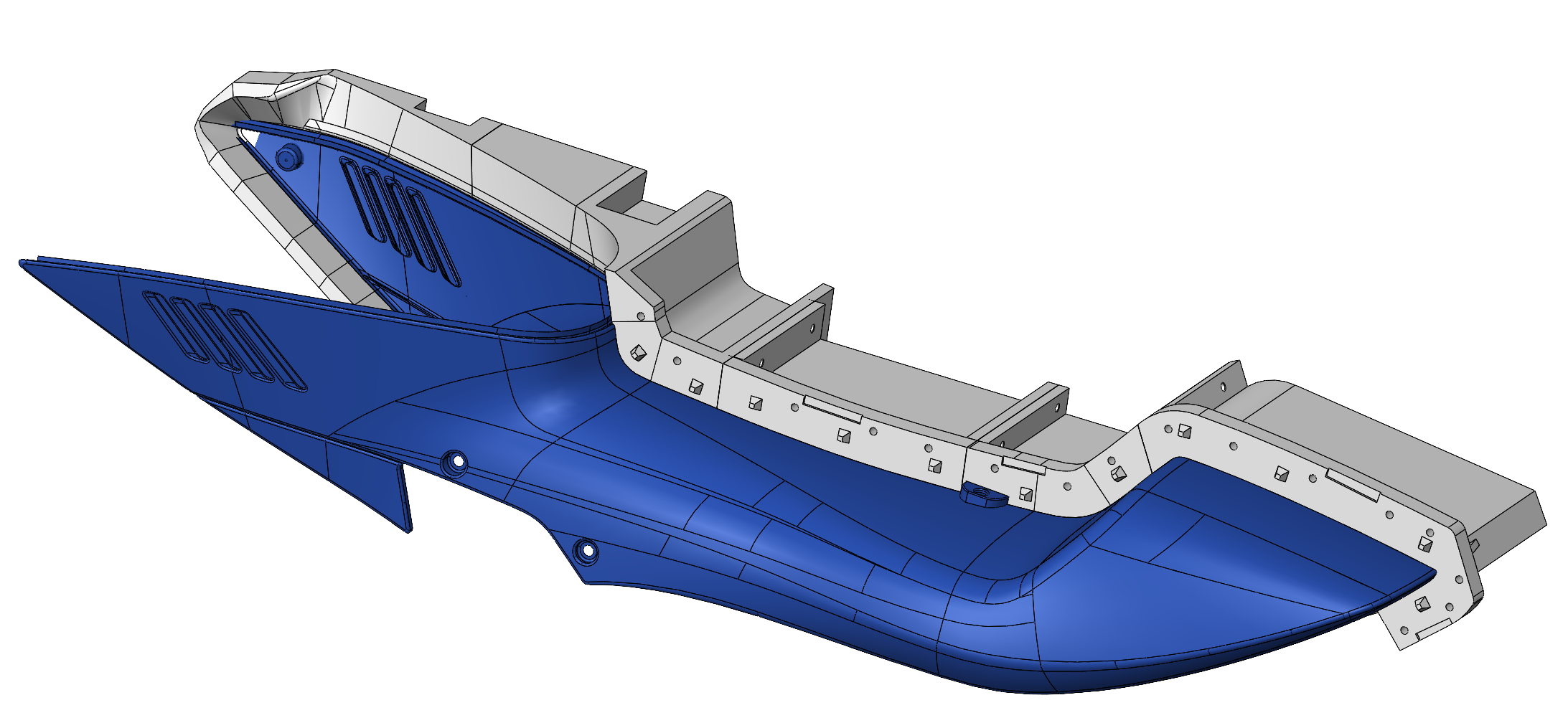
Additive Manufactured Composite Tooling for MotoAmerica Fairings
Developed segmented composite tooling for carbon-fiber race fairings under a two-week race preparation timeline. Additive manufacturing enabled rapid mold production while maintaining dimensional accuracy and composite surface quality.
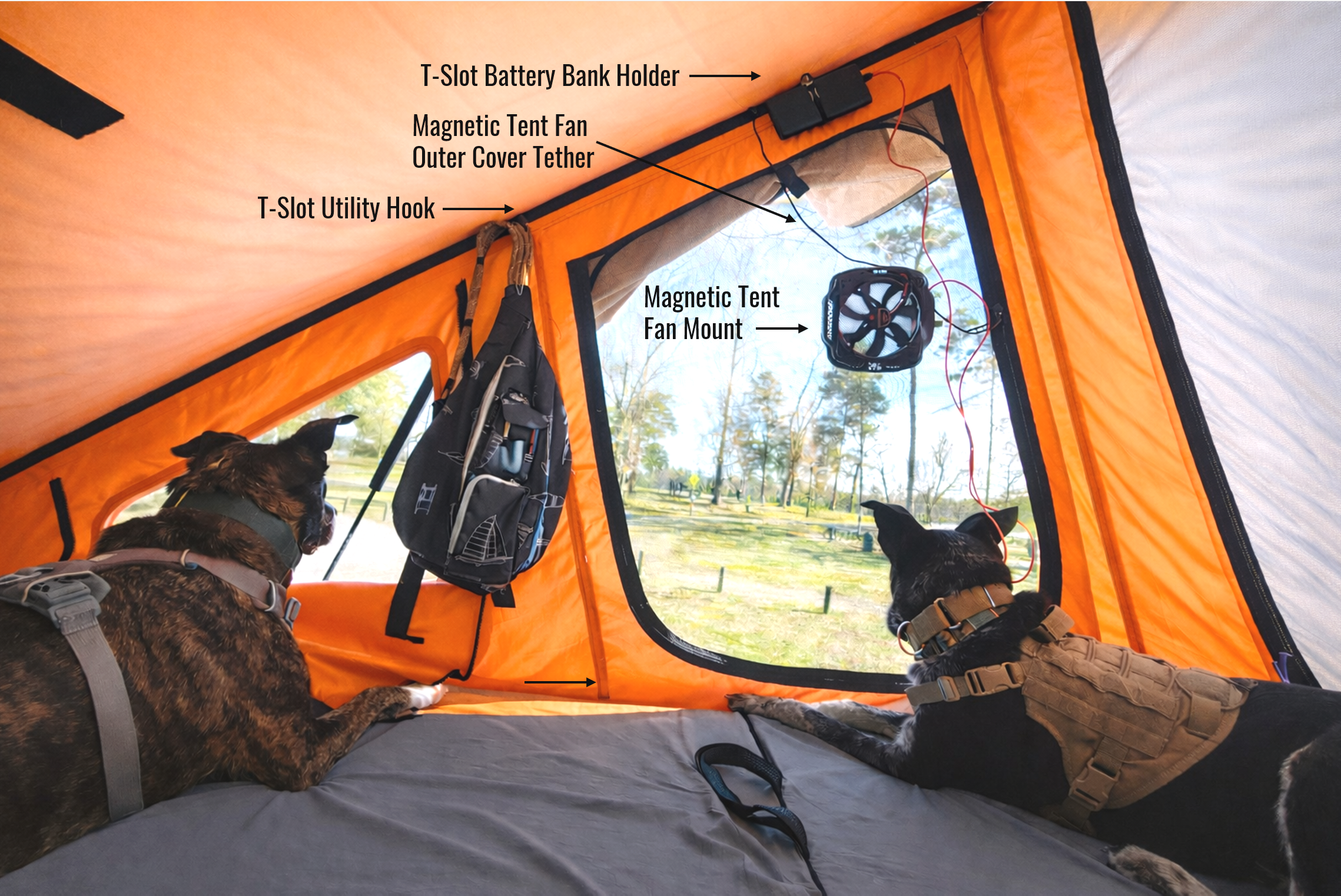
Magnetic Rooftop Tent Fan System
Designed a modular magnetic mounting system that allows portable fans to attach anywhere along rooftop tent mesh panels. The project moved from concept through iterative prototyping into small-batch production.
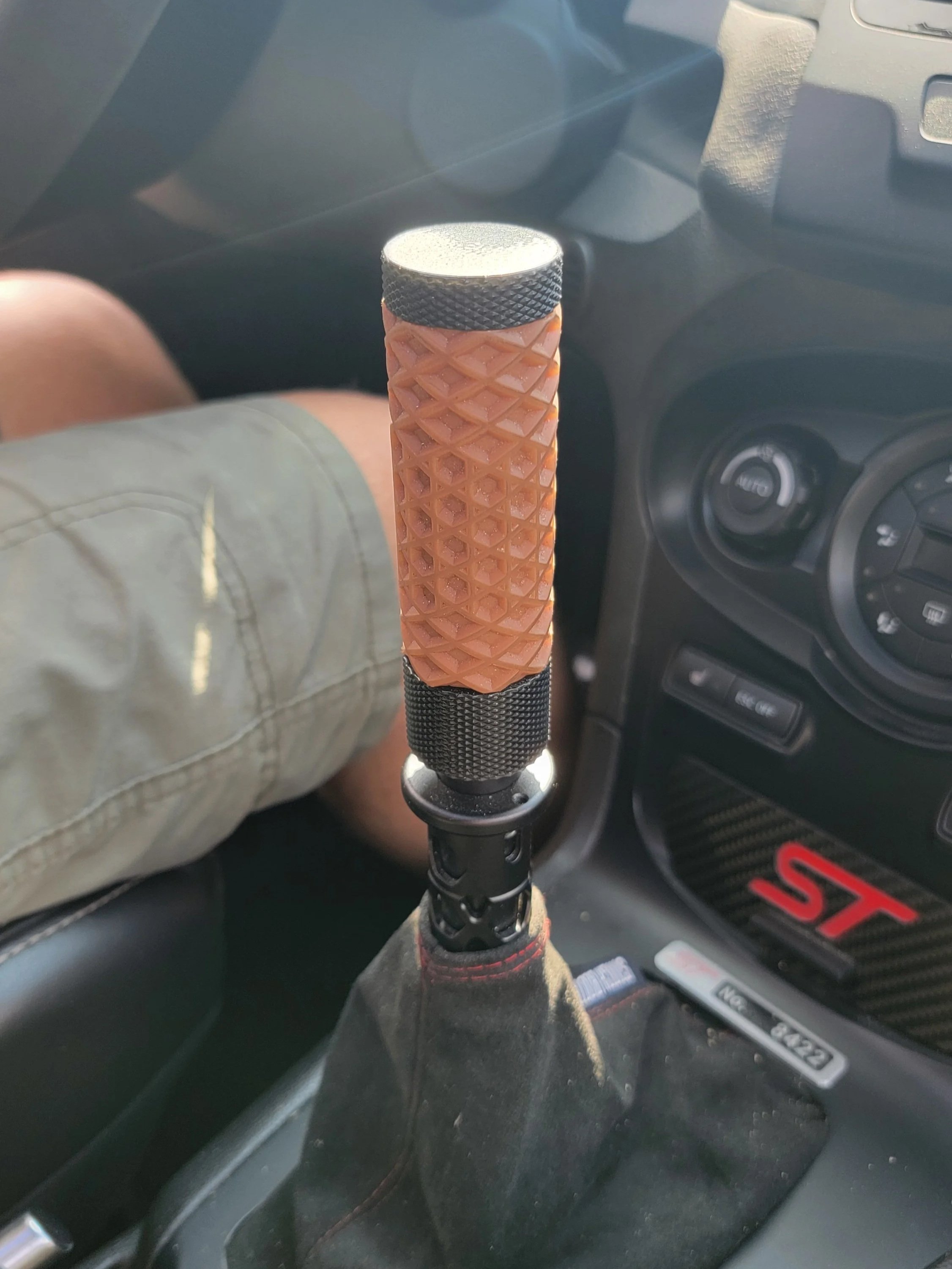
Automotive Prototypes & One-Off Components
Designed a modular magnetic mounting system that allows portable fans to attach anywhere along rooftop tent mesh panels. The project moved from concept through iterative prototyping into small-batch production.
Engineering Experience Behind Lakeland Design Works
Lakeland Design Works is led by a mechanical engineer with nearly a decade of experience developing additive manufacturing workflows and production components for demanding engineering applications. That background shapes how every project is approached — focusing on practical design decisions, manufacturability, and solutions that move from prototype to real hardware.
Experience includes work in:
Development of additive manufacturing workflows and production parts
Functional components used in real mechanical systems
Design for manufacturability and additive-driven geometry optimization
Rapid prototyping, validation, and iteration
How I Partner
Every project begins with clarity, understanding your goals, constraints, and where you want the product to go. Some engagements focus on developing a first functional prototype. Others extend into production workflows and additive strategy. The level of support depends on where you are in the process.
1. Clarify the Objective
We define performance requirements, constraints, and production goals, whether that means a first prototype or a path to scale.
2. Identify Where Additive Creates Real Advantage
We determine the right technology, material, and workflow, or whether additive is the right solution at all.
3. Refine and Validate
Geometry is optimized using DfAM principles and validated through controlled iteration when needed.
4. Prepare for What’s Next
For some projects, that means a functional prototype. For others, it means production ready CAD, tooling, workflow documentation, or additive implementation support.